Binissalem is a town in the middle of Mallorca, about 25 minutes from Palma. It sits on the flat land between the Tramuntana mountains and the plain, and people have grown grapes here for centuries. The town is in one of the island's two wine regions, which also takes in the villages around it: Santa Maria del Camí, Consell, Sencelles, Alaró and Lloseta.
This isn't a beach area. People live and work here all year. You come for wine tastings, long lunches, the village markets and walks up into the hills. The sea is still within an easy drive when you want a swim.
It makes a good base for a slow week. Visit a winery in the morning, have a long lunch, and save the evening for the town square.
Wineries and farms to visit
José L. Ferrer – The oldest name in Binissalem. It started in 1931 and the same family still runs it. Tours run every day and finish with a tasting, and one of them pairs the wines with chocolate. Book on their site, especially in summer.
Celler Tianna Negre – A modern winery on the edge of town, built from local stone so it sits low among the vines. Every vineyard they farm is organic. Tours walk you through the vines and the cellar, then sit you down for wine, Mallorcan tapas and their own olive oil. Open weekdays, and you need to book.
AVA Vi – A small winery on the Camí de Muro, just outside Binissalem. They make small batches from Mallorcan grapes like Mantonegro, Prensal Blanc and Giró Ros. Tastings come with bread, cheese and their own oil. Open weekday mornings, and it's worth sending a message first.
Biniagual – A hamlet of 14 houses and a chapel, down a cobbled lane a few minutes east of Binissalem. Vines have grown here since the 1200s and came back to life in the late 1990s. The vinoteca pours their wines with tapas from Wednesday to Sunday. Book ahead for the full tour of the village, cellar and vineyard.
Can Cavall Blau – An organic farm in Sencelles with vines, a big garden and a few polo horses. The Friday farm tour ends with a tasting of their wines and Amargéro, the house aperitivo. On Sundays there's a free sunset aperitivo among the vines. Places are limited, so reserve.
Finca Son Miranda – An old farmhouse in an olive grove outside Sencelles. They run olive oil tours with tastings of their own organic oil. You can also stay the night (see below).
Where to eat and drink
Cabra Blanca – A small restaurant next to the Sa Sini fountain in Santa Maria. The cooking is Mediterranean and the menu changes every couple of months. Think homemade ravioli, rack of lamb and duck. Book for dinner.
Es Verger – A rustic farmhouse restaurant on the road up to Alaró castle, known for its slow-roasted lamb. Plan the castle walk around it: up in the morning, lamb for lunch.
Ca S'Arquitecte – The village pizzeria in Sencelles. Guía Repsol gave it a Solete in 2026, their badge for good, honest places at fair prices.
Forn de Sant Francesc – An old bakery in Inca, known for its ensaïmadas, and a Guía Repsol Christmas Solete winner in 2025. Go in the morning, as it closes at lunchtime and all day Sunday.
Simon's The Bar – A cocktail bar on a quiet street behind the church in Alaró, with a small kitchen cooking from the market. Book if you want to eat. Open Wednesday to Saturday evenings.
What to do
Castell d'Alaró – The ruins of a castle on a rock 822 metres above Alaró. Most people drive up to Es Verger, park, and walk the last hour to the top. There's a small bar and chapel up there, and on a clear day you can see across the plain to the bay of Palma. Wear proper shoes.
Village markets – Each town has its own day. Inca on Thursday is the biggest, Binissalem is on Friday, Alaró and Lloseta are on Saturday, and Santa Maria is on Sunday morning. Santa Maria's is the best for local produce.
Festivals – Binissalem's Festa des Vermar runs through September to mark the grape harvest, with a grape battle, a grape-treading contest, dinners in the street and a wine fair on the last weekend. In November, Inca holds Dijous Bo, its big autumn fair.
Where to stay in and around Binissalem
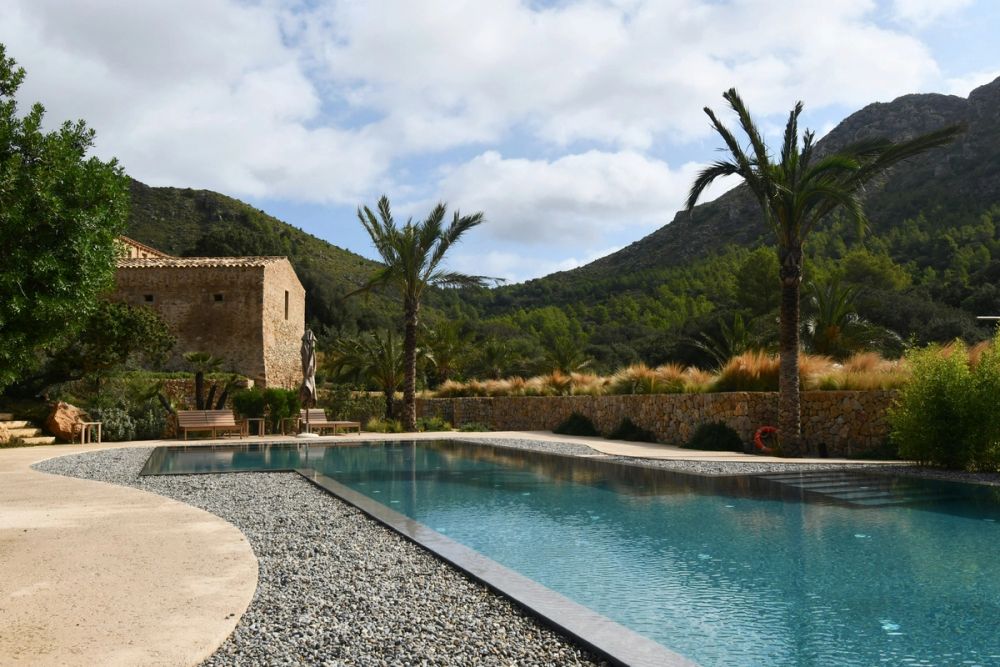
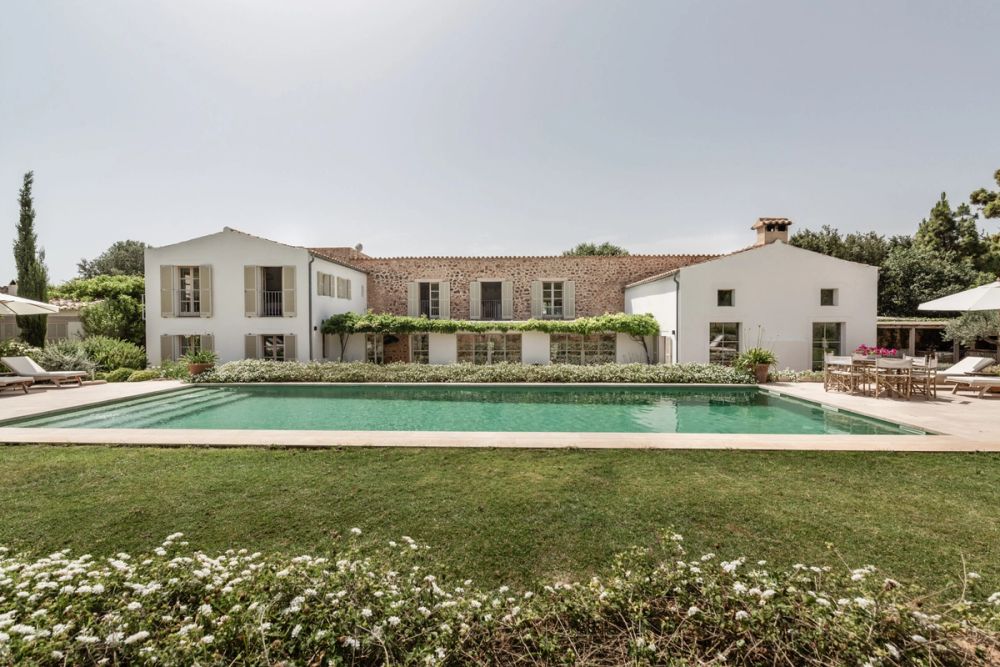
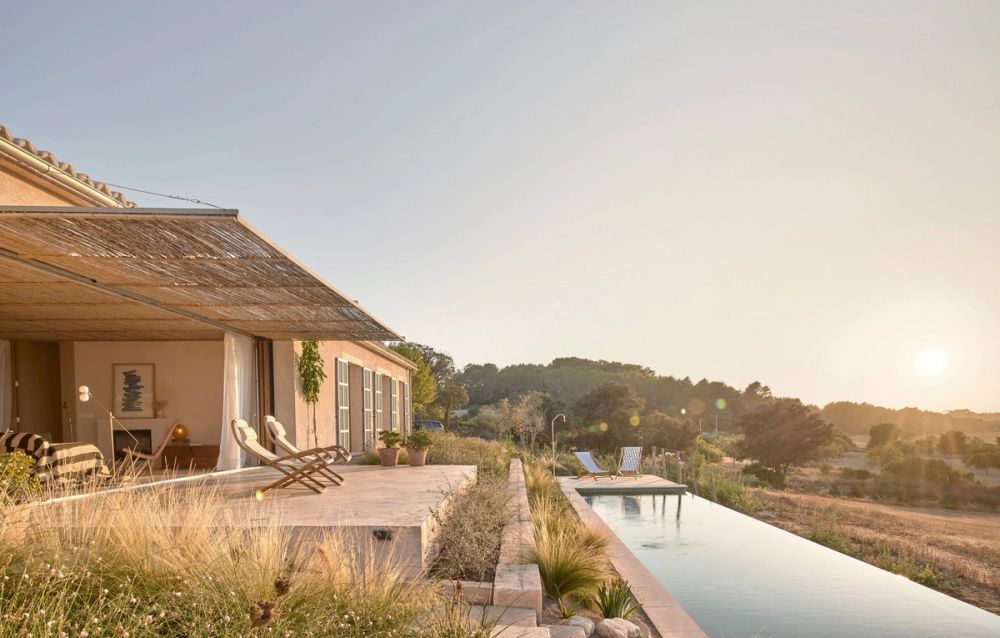
Homes to rent
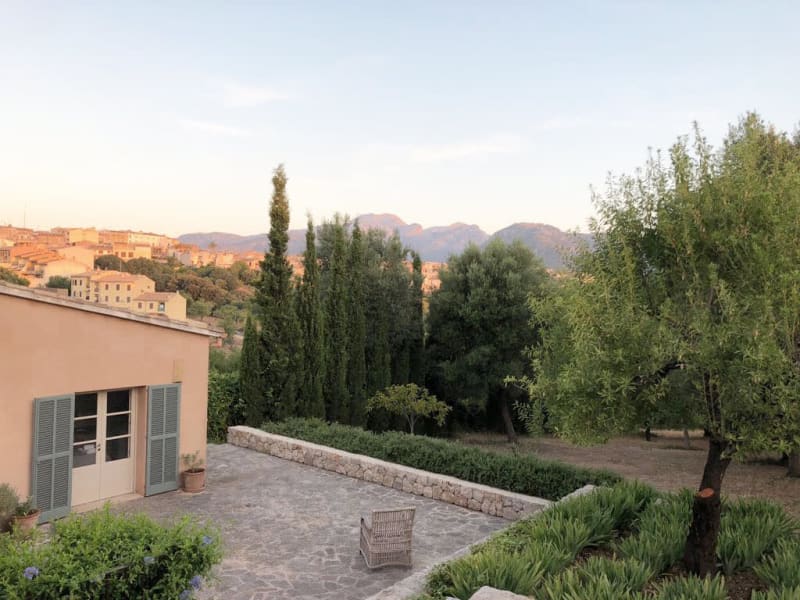
Hotels to book
Finca Es Cabàs – A working estate more than 600 years old, at the foot of the mountains outside Santa Maria. It has ten rooms among olive, vine and orange groves, an infinity pool and a 20-metre pool for laps.
Finca Son Miranda – Twelve rooms in a restored farmhouse near Sencelles. Every room has its own balcony, terrace or garden door. There's a pool, an olive grove and oil tastings on site.
Can Vidal Boutique Rooms – A few rooms in an old townhouse in the centre of Inca, with a green rooftop terrace and a shared kitchen. The Thursday market is a short walk away.
Getting there
Binissalem is about 30 minutes' drive from Palma airport, along the Ma-13 towards Inca. The train from Palma's Plaça d'Espanya stops at Santa Maria, Consell-Alaró, Binissalem, Lloseta and Inca, so this is one of the few parts of the island you can reach without a car. For the wineries and the castle, though, you'll want one.